Tuesday, April 7, 2009

The Urban Women

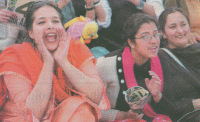
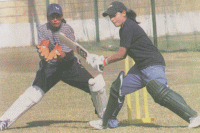
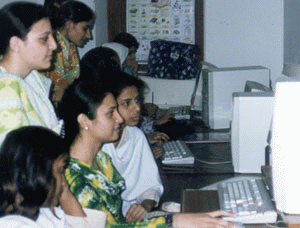
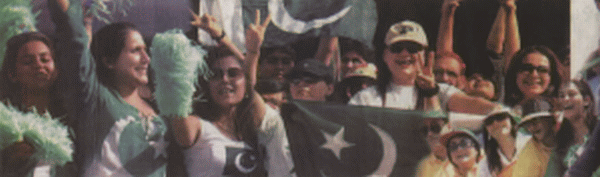
specially the major cities are more independent, owing to greater exposure to education of their men and impact of media. Now most females find their way to schools, colleges, universities or scholarships abroad. Other than the medicine, which was once considered to be the only profession which women joined, now even the most technical spheres like engineering, architecture, communications and IT. However, medicine remains the most favoured field generally pursued by the women. Women can now be seen encouraging cricket teams and participating all kinds of sports from cricket to athletics and even marathon recently held in Lahore (though much to the disgust to a section of conservists).
  pakistanpaedia - women in pakistan

Today, women in Pakistan hold high ranking positions as the CEOs and executives. Recently the president has appointed Dr Shamshad Akhtar as the first female governor of the State Bank of Pakistan. Two lady doctors of the Pakistan Army have also risen to the rank of major general. The female doctors joined hands with the male doctors in the most inaccessible earth quake hit areas in the northern part of Pakistan to treat the sick and wounded.

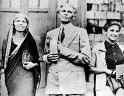
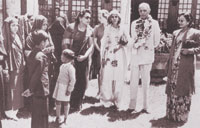
There are many names to be honoured - Fatima Jinnah, Jinnah's sister who stood by her brother when he was struggling for an independent Muslim state from the British India, Razia Bhatti, the courageous journalist who braved the man dominated media in Pakistan and won Courage in the Journalism award. Then there is Anoushka, who became the first women and Pakistani of course to have gone to the frozen Arctic region. And finally Raheela Gul, a young women who was a trekker, expeditionist and history maker - had not the mournful earthquake of 8 October 2005 struck, Raheela would have been still with us - happily preparing for her Amazon Rainforest expedition.
pakistanpaedia - women in pakistan pakistanpaedia - women in pakistan pakistanpaedia - women in pakistan pakistanpaedia - women in pakistan

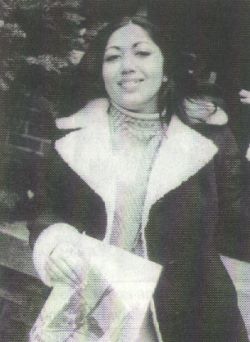
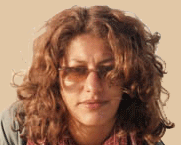
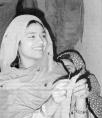
Left to Right: Fatima Jinnah - Jinnah with women delegation - Razia Bhatti - Women for their rights  - Raheela Gul

The Rural Women

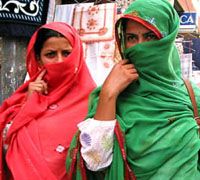
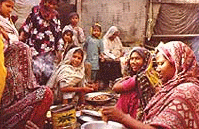
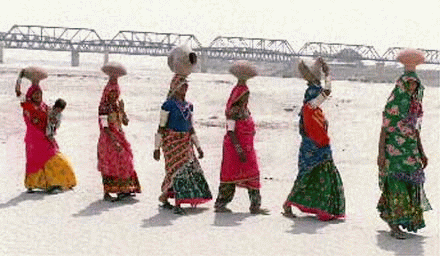
 count for the majority of female population. From daily household routine to joining their men folk in the fields at the time of harvest. However, they generally do not have a share in the income and lack adequate empowerment - but so do most women in the developing countries.  Generally the rural women is not only subjected to financial discrimination, but they are also victims of inhuman customs and laws such as Karo Kari (the honour killing by relatives of the girl if she elopes with a man of her own choosing) and marriage to the Quran to save on the family property to being transferred outside the family. Though, now people are voicing concern about these age old stringent self proclaimed local laws, much still needs to be done. An active women specific NGO, "The Women's Action Forum" is playing a central role in exposing the controversy regarding various interpretations of Islamic law and its role in a modern state, and in publicizing ways in which women can play a more active role in politics.

pakistanpaedia - women in pakistan pakistanpaedia - women in pakistan

Vocational and technical training for women tended to increase lately and training schools in non-traditional fields such as electric technology, computer technology, etc. are also increasing. However, many of the training programs by the government still cling to traditional fields such as sewing and embroidery where wages are low and employment opportunities are few and opportunities
for management.

Women in Pakistan

   pakistanpaedia - women in pakistan pakistanpaedia - women in pakistan

Women in Pakistan, are generally perceived to be confined to their houses in a tightly controlled society. Although, generally true, the trends are now changing. The 53% of total population is now finding avenues to express them and come out the shell they have been encased in for many centuries. However, there is a marked difference in their lives in urban and rural areas. While most urbanized women can now get from basic to masters level education, the women in rural areas are still struggling to reach up to secondary level of education.

Strategies to improve situation of Iraqi women aim of UN Baghdad forum

With the illiteracy rate among Iraqi women twice as high as that of men and women making up only 18 per cent of the country’s labour force, a United Nations conference that opened in Baghdad today is seeking ways to improve the situation of women in the fledgling democracy.
UN News Centre, 19 March 2009

Renewable energy for rural livelihoods

‘Renewable Energy for Rural Livelihoods’ - a joint project of the Government of India and United Nations Development Programme - trains and engages village women as "Barefoot Solar Engineers" for generating renewable solar energy.
UNDP, 25 March 2009

Men and boys must play their part in ending violence against women – Ban

Greater efforts are required worldwide to end violence against women and girls, Secretary-General Ban Ki-moon has stated, stressing that men and boys in particular must play their part.
UN News Centre, 30 March 2009
> News story
> Secretary-General's message
> Global Symposium on Engaging Men and Boys in Gender Equality 

TIME Magazine: Asian Heroes - Asma Jahangir


Asma Jahangir
The pocket protector
By Tim McGirk Islamabad

At 152 centimeters tall, Asma Jahangir is a mere sparrow of a woman. But she's got a big voice, which she isn't afraid to use. Jahangir and her colleagues at the Lahore-based Human Rights Commission of Pakistan, an independent body of lawyers and activists, defend Christians and Muslims sentenced to death by stoning under harsh and capricious blasphemy laws. She shelters women whose families want to murder them—only because they deserted cruel husbands. She investigates the fate of prisoners who vanish in police custody and battles for their release through the courts and in the press. In short, Jahangir rails against the myriad injustices that plague her homeland, a type of cage rattling that doesn't always get popular support. "People aren't willing to believe that these injustices happen in our society," says Jahangir, 51. "But it's all going on next door."